
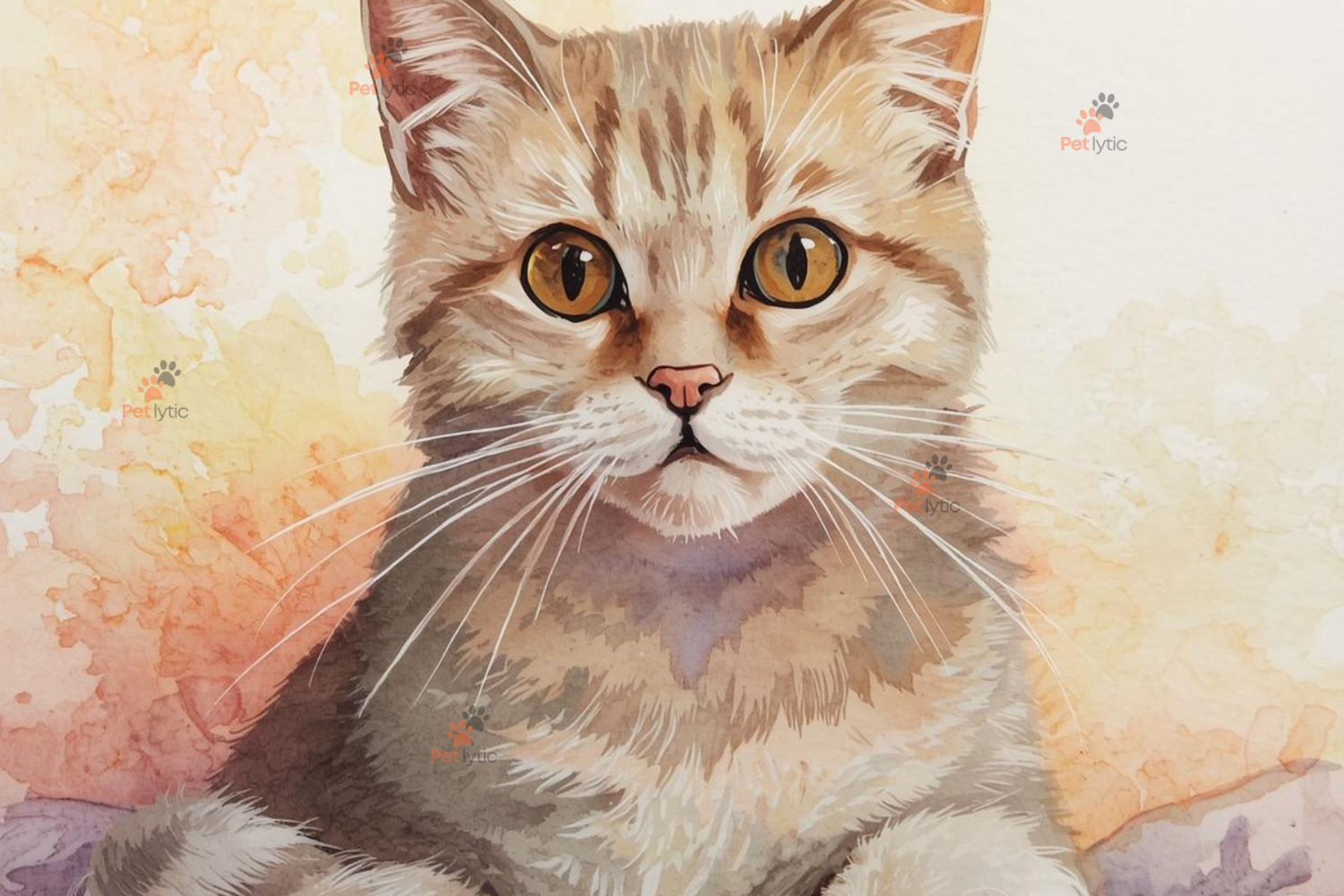
Many people search online for a cat with Down syndrome after seeing a cat with unique facial features or unusual behavior. While the term is commonly used, the reality is more complex—and understanding it helps pet owners provide better care and accurate information.
Can Cats Really Have Down Syndrome?
An additional copy of chromosome 21 in humans causes Down syndrome, a genetic disorder. Cats cannot theoretically have Down syndrome since their chromosomal makeup differs from that of humans.
However, cats can be born with chromosomal abnormalities or congenital diseases that cause facial and developmental features similar to what people identify with Down syndrome. Because of this, the term “cat with Down syndrome” has gained popularity as a search keyword, while being medically incorrect.
Why Do Some Cats Appear to Have Down Syndrome?
Certain genetic disorders in cats can result in visible differences and behavioral challenges. These may include:
Common Physical Traits
- Flattened or wider facial features
- Large-set or misaligned eyes
- Shortened nose or jaw
- Poor muscle tone
Developmental & Behavioral Signs
- Delayed coordination or movement
- Learning difficulties
- Sensitivity to sound or light
- Slower response to stimuli
These signs are often linked to feline developmental issues, not Down syndrome itself.
What Causes Down-Syndrome-Like Traits in Cats?
Several conditions may contribute to these features:
Genetic or Chromosomal Abnormalities
- Errors during fetal development can affect how a kitten’s body and brain form.
Congenital Birth Defects
- Issues present at birth may impact facial structure, vision, hearing, or mobility.
Neurological Conditions
- Some cats experience underdeveloped neurological systems that affect balance and behavior.
A veterinary diagnosis is the only reliable way to identify the cause.
- Cat Limping but Still Walking: Causes, Signs, and What to Do
 When a cat is limping but still walking, it often leaves owners confused. Cats are masters at hiding pain, so…
 - Cat With Down Syndrome: Understanding the Truth Behind the Condition
 Many people search online for a cat with Down syndrome after seeing a cat with unique facial features or unusual…
 - Can Cats Have Chocolate? The Truth Every Cat Parent Must Know
 Naturally, cats are eager to explore new things. They often sniff, feel and sometimes lick the objects with their mouths.…
 - Top 10 Halloween Cat Costumes: Creative Ideas for Your Feline Friend
 Introduction Halloween is a season of spookiness, excitement, and creativity; what better way to celebrate than by dressing up your…
Caring for a Cat With Special Needs:
Cats with developmental or genetic conditions can live happy, loving lives with the right care.
Care Tips:
- Maintain a consistent daily routine
- Provide easy-access food, water, and litter
- Schedule regular veterinary checkups
- Create a calm, low-stress environment
- Be patient with training and socialization
Special needs cats often form deep emotional bonds with their owners.
Are Special Needs Cats Good Pets?
Yes—absolutely. Many people find that adopting a cat with health challenges is incredibly rewarding. These cats may require extra attention, but they often show strong affection and loyalty.
FAQs about Cat with Down Syndrome:
Q1: Can a cat really have Down syndrome?
No. Cats cannot have Down syndrome, but they can have genetic or chromosomal abnormalities that cause similar traits.
Q2: Why do people call it a cat with Down syndrome?
People use the term because certain physical and behavioral features in cats resemble Down syndrome in humans, even though the condition is different.
Q3: How long can a special needs cat live?
With proper care, many cats with developmental issues live normal or near-normal lifespans.
Q4: Do cats with genetic disorders need special treatment?
Some require extra monitoring, but many only need routine care and a stable environment.
Q5: Should I adopt a cat with developmental issues?
If you’re patient and committed, adopting a special needs cat can be deeply fulfilling.


