
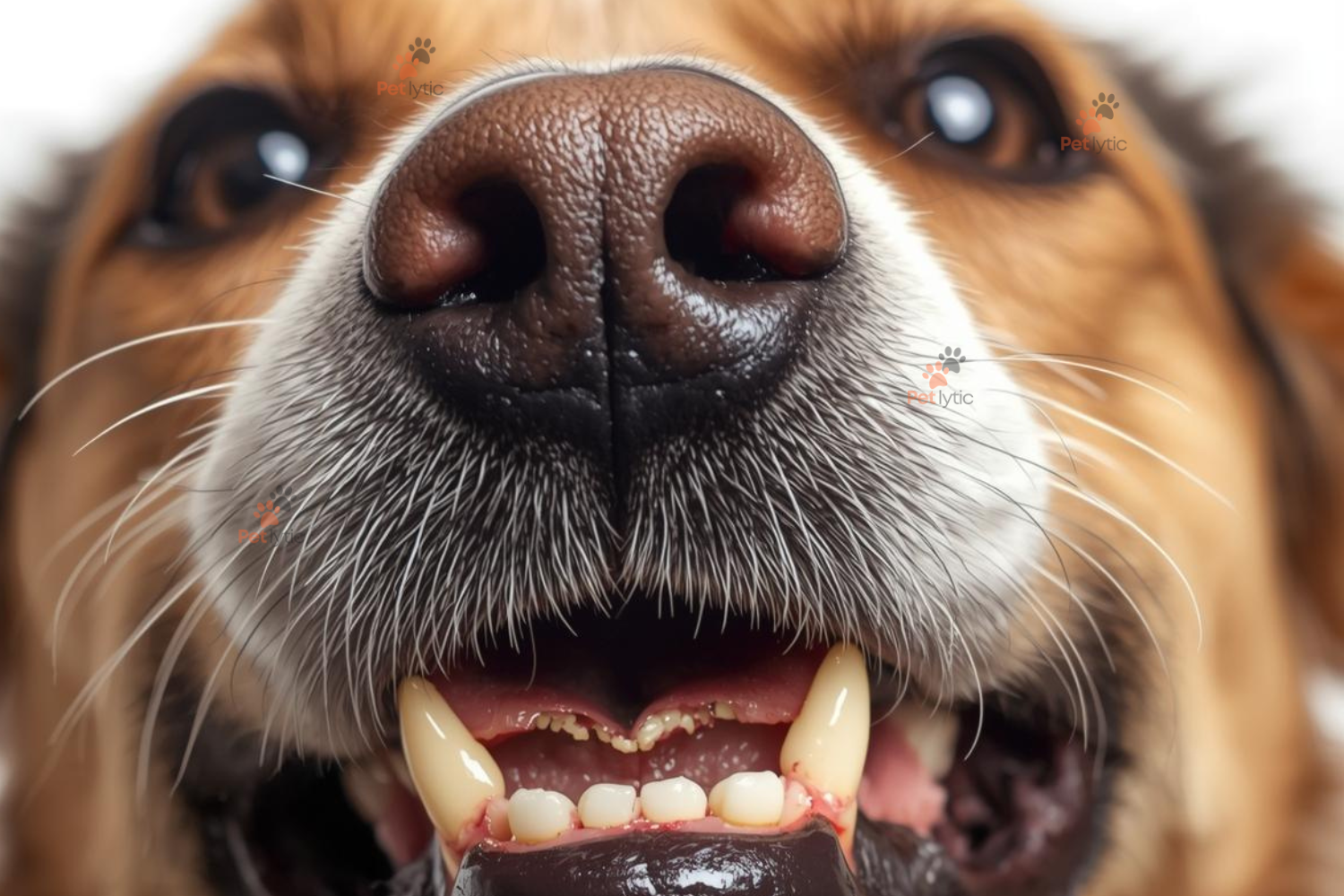
Loose teeth in dogs are a common but often overlooked dental issue. In fact, tooth loss frequently indicates an underlying health issue, despite the fact that many dog owners believe it is a normal aspect of aging. So, understanding why dogs develop loose teeth, how to recognize early symptoms, and when to seek veterinary care can help protect your dog’s overall health and comfort.
What Causes Loose Teeth in Dogs?
This usually develops due to dental disease, trauma, or infection. However, the most common cause is periodontal disease, which starts with plaque buildup and gradually damages the gums and tooth-supporting structures.
Other frequent causes include:
- Gum infections caused by bacteria
- Chewing hard objects like bones or rocks
- Injuries or accidents affecting the mouth
- Age-related bone loss, especially in senior dogs
- Poor oral hygiene over long periods
Adding more, small dog breeds are particularly prone to dental problems because their teeth are more crowded, allowing plaque to accumulate faster.
Symptoms of Loose Teeth in Dogs:
Dogs rarely show pain openly, so dental problems can go unnoticed. Watch for these common signs:
- Bad breath that persists
- Red, swollen, or bleeding gums
- Difficulty chewing or dropping food
- Pawing at the mouth
- Excessive drooling
- Visible tooth movement or missing teeth
So, if you notice any of these symptoms, loose teeth in dogs may already be at an advanced stage.
Are Loose Teeth Normal in Puppies or Senior Dogs?
Well, in puppies, loose teeth are normal during teething. Baby teeth fall out to make room for adult teeth, usually between 3 and 6 months of age.
In adult and senior dogs, however, loose teeth are not normal. Tooth mobility in older dogs often indicates gum disease or bone loss and should never be ignored.
How Veterinarians Treat Loose Teeth in Dogs?
Treatment depends on the severity of the dental issue. A veterinarian may recommend:
- Professional dental cleaning to remove plaque and tartar
- Antibiotics if infection is present
- Tooth extraction for severely damaged or painful teeth
- X-rays to assess tooth roots and jawbone health
Early treatment can prevent further tooth loss and reduce the risk of bacteria entering the bloodstream.
- What to Pack When Traveling with a Dog
 This guest article comes courtesy of our friends at DJANGO. Traveling with your dog can be incredibly rewarding. Whether you’re…
 - Yeast Infection in Dogs’ Paw: Causes, Symptoms, and Treatment
 Yeast infection in a dog’s paw is a common condition that affects dogs of all ages. Malassezia yeast, which naturally…
 - Loose Teeth in Dogs: Causes, Symptoms & Treatment
 Loose teeth in dogs are a common but often overlooked dental issue. In fact, tooth loss frequently indicates an underlying…
 - Comparing Mini Aussiedoodles and Other Doodle Breeds: Which Is Right for You?
 Introduction 🌟 Choosing a dog can present an excessive range of possibilities. Popular hybrids combine the intelligence of poodles with different…
Can Loose Teeth in Dogs Be Treated at Home?
Well, home care alone cannot fix loose teeth in dogs, but it plays a critical role in prevention and recovery. Support your dog’s oral health by:
- Brushing your dog’s teeth regularly with dog-safe toothpaste
- Feeding dental-friendly diets or treats
- Avoiding hard chew toys that can damage teeth
- Scheduling routine dental checkups
In conclusion, home care works best when combined with professional veterinary treatment.
Why Dental Health Matters Beyond the Mouth?
Untreated dental disease doesn’t just affect your dog’s teeth. Bacteria from oral infections can spread to vital organs, increasing the risk of heart, liver, and kidney problems. So, maintaining oral hygiene directly supports your dog’s overall well-being and longevity.
Final Takeaway:
In the end, loose teeth in dogs are not just a cosmetic issue—they are a warning sign of deeper dental or health problems. However, with early detection, proper veterinary care, and consistent home hygiene, you can protect your dog’s smile and overall health for years to come
FAQs:
Q1: Why does my dog have loose teeth?
Loose teeth in dogs are usually caused by periodontal disease, infection, or trauma and require veterinary evaluation.
Q2: Can loose teeth in dogs tighten again?
Once a tooth becomes loose due to gum or bone damage, it usually cannot tighten without professional treatment.
Q3: Is tooth extraction painful for dogs?
Veterinarians use anesthesia and pain management, making extractions safe and comfortable for dogs.
Q4: When should I see a vet for loose teeth in dogs?
You should see a vet as soon as you notice loose teeth, bleeding gums, or difficulty eating.


